


-36x36.jpg)






0
78
Vaping vs. Smoking: Key Differences
The debate between vaping and smoking has been ongoing since e-cigarettes were first introduced. Understanding the key differences between these two methods of nicotine consumption is essential for making an informed choice. While both involve inhaling a substance, the processes, health risks, and user experiences are markedly different.
One of the most significant differences between vaping and smoking is the absence of combustion in vaping. Traditional cigarettes rely on the burning of tobacco to produce smoke, which contains thousands of harmful chemicals, including tar and carbon monoxide. These substances are responsible for many of the health risks associated with smoking, such as lung cancer, heart disease, and respiratory issues. In contrast, vaping involves the vaporization of e-liquid, which eliminates the combustion process and significantly reduces the number of harmful chemicals inhaled.
The health risks associated with vaping are generally considered to be lower than those of smoking, although not entirely absent. While e-liquids do contain nicotine and other chemicals, they lack the tar and many of the carcinogens found in cigarette smoke. This makes vaping a potentially less harmful alternative for those looking to quit smoking. However, it's important to note that the long-term health effects of vaping are still not fully understood, and caution should be exercised.
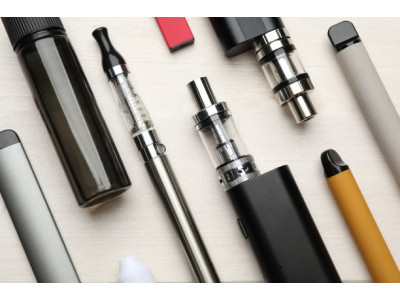
Another key difference between vaping and smoking is the level of customization and control available to the user. Traditional cigarettes offer little in the way of customization, with users typically choosing between different brands and nicotine strengths. Vaping, on the other hand, allows users to customize nearly every aspect of their experience, from the type of device and coil to the flavor and nicotine strength of the e-liquid. This level of control can make vaping more satisfying and enjoyable for many users.
The social and cultural aspects of vaping and smoking also differ significantly. Smoking has long been associated with social rituals and stigmas, and it is increasingly restricted in public spaces due to health concerns. Vaping, while still subject to regulations, is often viewed as a more socially acceptable alternative. The rise of vaping culture, with its own communities, events, and influencers, has further differentiated it from traditional smoking.
..
Showing 1 to 1 of 1 (1 Pages)